
 DoseCraft
 VapeHeatLab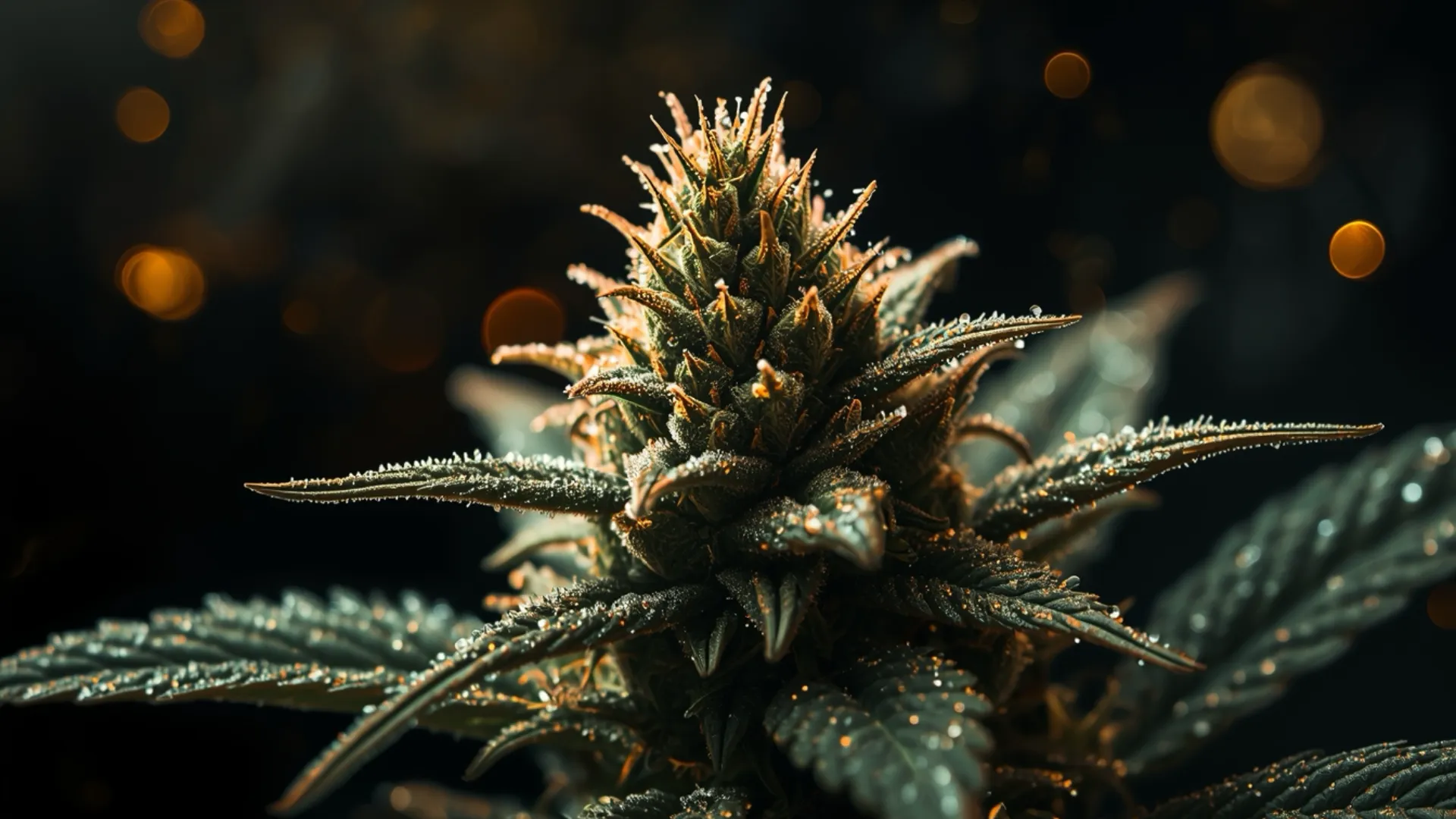
Durban Poison
by South African landrace (stabilized by Rosenthal, Frank, Skunkman) · South African Sativa
About
Durban Poison is one of the few commercial cannabis cultivars that started as an actual landrace rather than a bred hybrid. The strain originated in the eastern regions of South Africa near the port city of Durban, where local farmers had been growing sativa-dominant cannabis for generations before it ever entered the global seed market. The version that most Western growers now know was stabilized in the late 1970s by the trio of Ed Rosenthal, Mel Frank, and Sam the Skunkman, with Mel Frank doing most of the technical work of modifying the gene pool to increase resin production and shorten the flowering time so the plant could be grown indoors at higher latitudes. Frank's book "Marijuana Grower's Guide Deluxe" from 1978 documents some of this process. The terpene profile is consistent with the strain's landrace heritage. Terpinolene dominates at 1.14%, a high concentration by database standards, with caryophyllene at 0.43% in second place. That terpinolene-led profile is responsible for Durban Poison's distinctive aroma, which is floral, slightly spicy, and sharper than most hybrid sativas. The Afghan-derived hybrids of the 1990s and 2000s tended to flatten out this kind of bright, clean terpene expression in favor of fuel and fruit notes, which is part of why a true landrace still reads as unusual on a modern dispensary shelf. THC ranges between 17.2 and 23.2% across the lab samples in our database. By sativa standards that is on the higher end, particularly for a strain that hasn't been engineered for potency the way modern hybrids have. The chemotype classification is "Orange (Terpinolene-dominant)", the category we use for sativa-forward strains where terpinolene carries the dominant aromatic character. Reviewers in our data list creative, euphoric, and energetic as the top three reported effects, which aligns with Durban Poison's reputation as a daytime or early-session strain rather than a winding-down one.
Why does Durban Poison feel uplifting?
Durban Poison's effects are driven by its dominant terpinolene (1.14%), associated with a mildly sedative yet uplifting experience, combined with caryophyllene (0.43%), one of the few terpenes that binds directly to CB2 cannabinoid receptors.
Strain Profile
May Help With
Caryophyllene has strong anti-inflammatory properties
Caryophyllene binds to CB2 receptors for pain relief
Reported mood-elevating effects
Linalool has calming, stress-relieving properties
Based on terpene research and reported effects. Not medical advice. Consult a healthcare professional for medical decisions.
Similar Strains
Strains with a similar profile you might enjoy
Effects
Flavors & Aroma
Quick Info
- Type
- sativa
- Breeder
- South African landrace (stabilized by Rosenthal, Frank, Skunkman)
- Genetics
- South African Sativa
- THC
- 17.2–23.2%
- Chemotype
- Terpinolene-dominant
Genetics
What is Terpinolene?
Herbal, floral terpene found in nutmeg, tea tree, and lilacs.
Learn more →
← Back to all strainsAbout Durban Poison
- Durban Poison is a sativa cannabis strain.
- Durban Poison typically tests at 17.2% to 23.2% THC.
- Users commonly report feeling creative, euphoric, happy, energetic when consuming Durban Poison. Individual experiences vary based on tolerance, dose, and consumption method.
- The dominant terpenes in Durban Poison are Terpinolene, Caryophyllene, Humulene. Terpenes influence the aroma, flavor, and effects of a cannabis strain.
- Durban Poison is a cross of South African Sativa. It was bred by South African landrace (stabilized by Rosenthal, Frank, Skunkman).