
 DoseCraft
 VapeHeatLab
Cannabis and Creativity: How Artists Use It as a Tool
From musicians to painters to writers, cannabis has been a creative companion for a long time. Here is how artists actually use it in their process, what the science actually says, and how to set yourself up for a productive creative session.
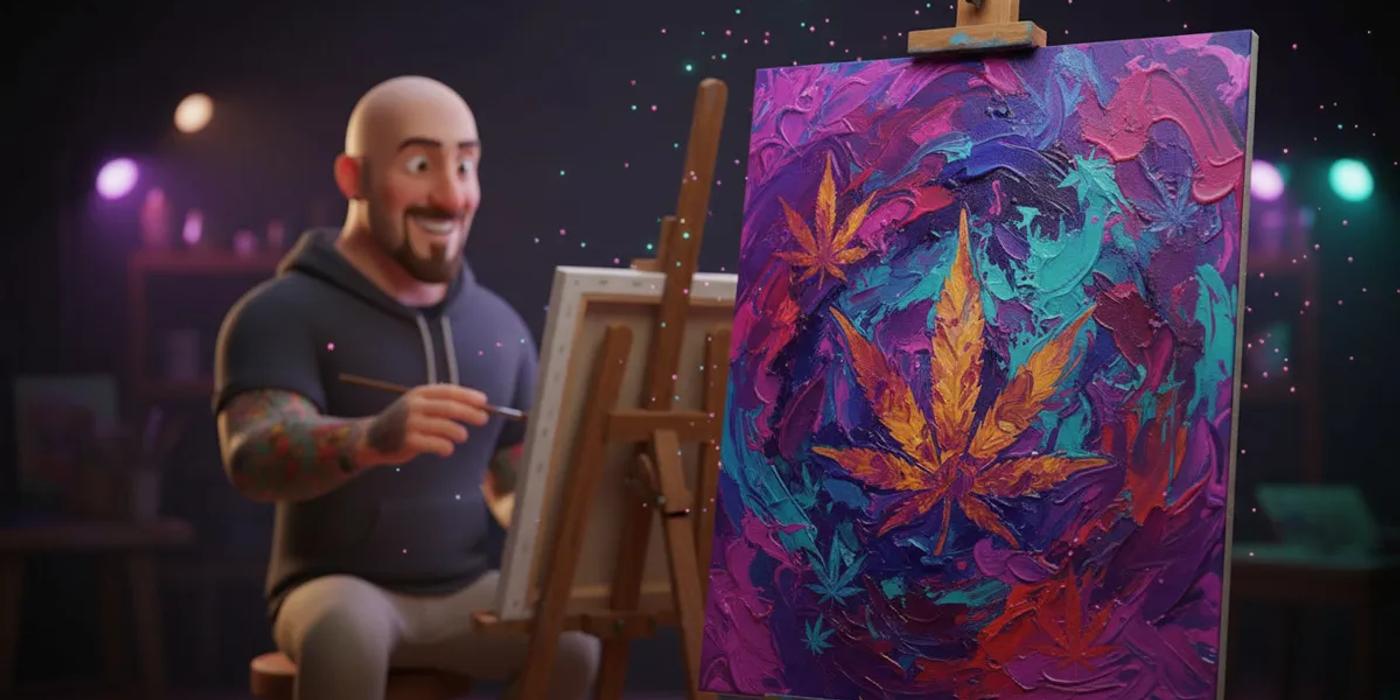
Cannabis and creative expression have been intertwined for centuries. Musicians, painters, writers, and designers have all described cannabis as a tool that shifts their perspective, loosens inhibitions, and opens up ideas that feel unreachable in their default state of mind. But the relationship is more nuanced than 'smoke and create,' and the actual research is more cautious than the popular narrative suggests.
A Brief History
The list of artists who have openly discussed cannabis as part of their creative process is long and spans every discipline. Jazz musicians in the 1920s and 30s, beat poets in the 1950s, rock and reggae musicians in the 60s and 70s, hip-hop producers in the 90s, contemporary visual artists today. Cannabis has been part of creative communities across cultures and eras.
What these artists share is not dependence on the substance. It is intentional use of it. Cannabis as a tool for shifting mental gears, not a replacement for skill or practice.
What the Science Actually Says
Research on cannabis and creativity is limited, and the findings are more mixed than the 'smoke = creativity' narrative suggests. The most rigorous controlled studies tell a more careful story:
A 2014 study in Psychopharmacology by Kowal and colleagues compared low-dose vaporized cannabis (5.5 mg THC), high-dose vaporized cannabis (22 mg THC), and placebo in regular cannabis users. The high-dose group performed significantly worse on divergent thinking tasks. The low-dose group performed about the same as placebo. So 'cannabis enhances creativity at low doses' is not really what the data shows. What the data shows is that overdoing it actively impairs creative work.
A 2012 study in Consciousness and Cognition by Schafer and colleagues found that cannabis raised verbal fluency in users who were below-average for creativity at baseline, bringing them up to the level of high-creativity users. So if you're already creative, cannabis probably will not help. If you're not, it might briefly close the gap.
Convergent thinking, the ability to arrive at a single correct answer, tends to be impaired by cannabis across studies. So cannabis is better suited for brainstorming and exploration than for editing and refining.
Set and setting apply. Like any cannabis experience, your environment, mindset, and intention shape the outcome. Cannabis in a quiet studio with creative tools laid out in front of you produces wildly different results than cannabis on the couch with a phone.
How Artists Actually Use It
Through conversations with artists in our community (many of whom you can find at Cant Stop Art), a few patterns come up over and over:
Microdosing for Focus
A lot of artists go very low. Just enough to shift their headspace without losing executive function. A small amount of a sativa-leaning strain before a painting session can make colours feel more vivid and decisions more intuitive, without impairing fine motor control. The Kowal data suggests low doses don't actually boost divergent thinking measurably, but artists consistently report a subjective shift in perspective at low doses, which is its own kind of value.
Brainstorming Sessions
Cannabis often gets used specifically for the ideation phase. Consume before sketching concepts or writing rough drafts, then return to the work sober for editing and refinement. The cannabis session generates raw material. The sober session shapes it. This pattern is consistent with what the research does support: cannabis loosens convergent thinking and can free up associations, but the editing brain works better sober.
Music and Flow States
Musicians frequently describe cannabis as a tool for entering flow states. Reduced self-consciousness plus heightened auditory sensitivity makes improvisation and experimentation feel more natural. Our Sesh Timer with its themed backgrounds and YouTube playlists was actually built with this in mind: setting the mood for a creative session.
Practical Tips for Creative Sessions
Keep the dose low. The research is clear on this one: high doses impair creative work. A single hit or a 2.5 to 5 mg edible is often enough.
Choose your strain intentionally. Use our Strain Finder to filter for uplifting, focus-enhancing terpene profiles like limonene and pinene.
Prepare your workspace first. Have your tools, materials, and references ready before you consume. You want to channel the shift in perspective into your work, not into trying to find your paintbrushes.
Record everything. Ideas that feel brilliant in the moment have a way of slipping away. Keep a notebook, voice recorder, or camera nearby.
Separate creation from judgement. Let the cannabis session be about generating ideas. Evaluate the quality later with fresh eyes. The research is consistent that the editing brain works better sober.
The Bottom Line
Cannabis does not make you creative. The controlled research is pretty clear on that, even if the popular narrative resists it. What cannabis can do is temporarily shift the way you think, perceive, and connect ideas. For artists who use it intentionally, at the right dose, in the right setting, with the right tools at hand, it becomes a real part of the creative toolkit. The key word is intentional. Approach it like any other tool in your practice, with purpose and awareness, and it will earn its place. Without that, it is just an excuse to space out.
Frequently Asked Questions
Does cannabis actually make you more creative?
What strains are best for creativity?
Can cannabis help with writer's block?
References
- Schafer G et al. (2012). Cannabis and Divergent Thinking Studies. Psychopharmacology
- Fordee (2026). Cant Stop Art. CantStopArt.com
From the Shop
See all
Related Posts
 Guides
Understanding Cannabis Terpenes: What They Do and Why They Matter
A deep dive into the 8 most important cannabis terpenes. What they are, what they do, their boiling points for vaping, and how the entourage effect works.
 Guides
Best Vaporizer Temperature Settings for Every Cannabinoid
Find the best vaporizer temperature for THC, CBD, CBN, and key terpenes. Covers low temp vs high temp effects and how to find your sweet spot.
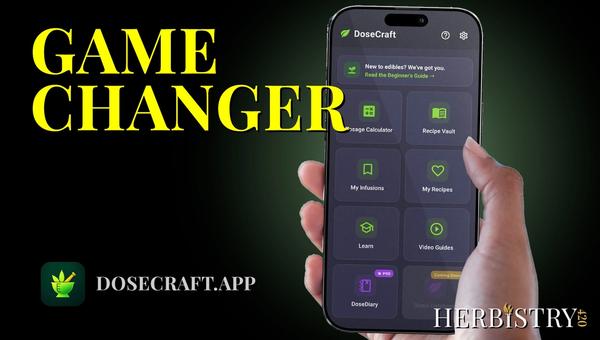
This App Is About to Change Edibles Forever | DoseCraft Full Walkthrough
DoseCraft is a free iOS and Android app for cannabis edible makers, with a dosage calculator, 140+ recipes, infusion tracking, label printing, and a journaling feature. Hosted here after YouTube took the original video down.