
 DoseCraft
 VapeHeatLab
Vape Temperature Guide: What Low, Mid, and High Heat Actually Do
This vape temperature guide breaks down what vaporization temperatures actually mean, which compounds they release, and how to design intentional sessions. The first step to learning any vaporization temperature guide is recognizing that temperature isn't a single number — it's a range that controls what gets released and how a session feels. When you learn ...
This vape temperature guide breaks down what vaporization temperatures actually mean, which compounds they release, and how to design intentional sessions. The first step to learning any vaporization temperature guide is recognizing that temperature isn’t a single number — it’s a range that controls what gets released and how a session feels. When you learn vape temperatures properly, you stop vaping randomly and start vaping intentionally.
Vape Temperature Guide: Understanding the Range
Vaporization is not combustion. No burning, no igniting — compounds simply turn into vapor once they receive enough thermal energy to evaporate. Different compounds require different energy levels, which means temperature isn’t just about intensity. It’s a selection tool. This principle serves as the foundation.
The heating system also matters. A conduction vape behaves differently from a convection vape at the same set temperature, because conduction heats by contact while convection heats by airflow. The same number on the screen can mean different things across different devices.
Vaporization Temperature Guide: Terpenes and Cannabinoids
Any useful vaporization temperature guide starts with understanding what’s actually being released at each range. Cannabis contains two main compound groups: terpenes (responsible for flavor, aroma, and feel) and cannabinoids (responsible for effects). Both have specific vaporization points.
Terpenes are fragile and vaporize at lower temperatures. Common ones include myrcene (relaxing), limonene (uplifting), linalool (calming), and caryophyllene (grounding). Pushing heat too high doesn’t release more terpenes — it destroys them. Cannabinoids include THC, CBD, CBN, and others. They generally require more energy than terpenes to vaporize. Both groups are part of one unified system.
Low Temp Vaporization Effects: 320–356°F / 160–180°C
Low temp vaporization effects are characterized by excellent flavor, smooth vapor, and a clear, uplifting mental state. Light terpenes dominate at this range. The vapor looks minimal but the effects are nuanced and present. Less likely to cause coughing.
Best suited for: daytime use, flavor chasers, and microdosers. These effects work well when you need to stay functional — focus, mood lift, and clarity are common at this range. Not ideal for those seeking strong sedative or high-extraction sessions.
Mid Temp Vaporization Effects: 356–392°F / 180–200°C
Mid temp vaporization effects represent the most balanced range. Both light and heavier terpenes are active, and cannabinoid extraction becomes significant. Vapor production increases noticeably while flavor remains solid. This is most people’s sweet spot.
This range suits a wide range of users — those who want both flavor and potency without the full intensity of a high-temp session. Mind and body effects tend to be more balanced here than at either extreme.
High Temp Vaporization Effects: Above 392°F / 200°C
High temp vaporization effects are stronger, denser, and more sedative. Maximum vapor production and extraction occur in this range. Lighter terpenes are mostly gone by this point, so flavor skews toastier and heavier. Not the best range for flavor chasers.
This range is typically reserved for evening use or when maximum extraction matters more than nuance. CBN, the sedative cannabinoid produced from oxidized THC, becomes more active at these temperatures — explaining the heavy, sleep-leaning character of high-temp sessions.
Heating Systems and How They Change the Vape Temperature Guide
Any complete vape temperature guide must address heating system differences. Conduction vapes heat herb by direct contact — temperatures closely match the guide ranges above. Convection vapes require higher set temperatures to achieve equivalent vaporization because the herb is heated by airflow, not direct contact. A convection device at 550°F may be vaporizing herb at roughly the same actual herb-surface temperature as a conduction device at 390°F.
Manual vapes (like Dynavap) don’t set temperature — they set time. On manual devices, you adjust heating duration and material choice. Ball caps store thermal energy and cause temperature stacking across a session. Titanium tips shed heat faster, making it easier to stay in low and mid ranges. Stainless steel holds heat longer and is less forgiving for precision low-temp work.
Frequently Asked Questions
How do I learn vape temperatures for my specific device?
What low temp vaporization effects should I expect as a beginner?
Is a vape temperature guide the same for dry herb and concentrates?
What do high temp vaporization effects feel like?
References
Where to Buy
Related Posts
 Guides
Best Vaporizer Temperature Settings for Every Cannabinoid
Find the best vaporizer temperature for THC, CBD, CBN, and key terpenes. Covers low temp vs high temp effects and how to find your sweet spot.
 Guides
Understanding Cannabis Terpenes: What They Do and Why They Matter
A deep dive into the 8 most important cannabis terpenes. What they are, what they do, their boiling points for vaping, and how the entourage effect works.
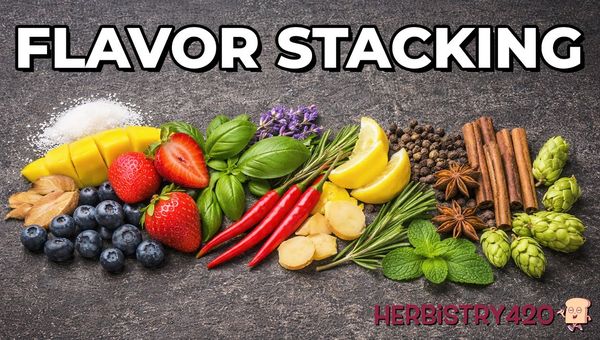
Flavor Stacking: The Taste Trick That Changes Your Cannabis Session
Flavor stacking hits is the practice of intentionally preloading your taste and aroma receptors before a cannabis session to influence how the experience feels. The approach is built around perception, not chemistry. Before a session begins, your senses are already forming expectations. By introducing terpene-rich foods, spices, or aromatic herbs first, you create a sensory ...