
 DoseCraft
 VapeHeatLab
Flavor Stacking: The Taste Trick That Changes Your Cannabis Session
Flavor stacking hits is the practice of intentionally preloading your taste and aroma receptors before a cannabis session to influence how the experience feels. The approach is built around perception, not chemistry. Before a session begins, your senses are already forming expectations. By introducing terpene-rich foods, spices, or aromatic herbs first, you create a sensory ...
Flavor stacking hits is the practice of intentionally preloading your taste and aroma receptors before a cannabis session to influence how the experience feels. The approach is built around perception, not chemistry. Before a session begins, your senses are already forming expectations. By introducing terpene-rich foods, spices, or aromatic herbs first, you create a sensory context that the brain carries into the session through retronasal olfaction. The result can be a more layered, intentional, and satisfying experience from the same amount of material.
Flavor Stacking Hits: What the Concept Actually Means
At its core, flavor stacking hits work on one principle: what you experience isn’t only what you consume — it’s what your brain is paying attention to. Taste is a combination of smell, taste receptor input, expectation, and focused attention. When one sensory channel is primed first, the brain amplifies related sensations that follow. This is the same phenomenon that makes a blindfolded experience feel more intense — nothing new was added, but attention was concentrated on fewer channels. Pre-loaded aromas from food or spices blend with incoming vapor through retronasal olfaction, creating a layered effect that makes the session feel deeper or more complete. None of this changes the chemistry of the session — only the perceptual context the brain uses to process it.
Many herbs, fruits, and spices share aromatic terpene compounds with cannabis. Terpene profiles differ by strain, which means certain pairings may feel more natural than others. Black pepper contains beta-caryophyllene. Mango contains myrcene. Basil contains linalool. These are the same compound families found in various cannabis strains, which is why these particular foods come up most often in discussions about sensory pairing.
Cannabis Sensory Preload: What to Use and When
A cannabis sensory preload works best when kept small and timed correctly. Digestion takes 30–60 minutes before any systemic effect beyond flavor can occur, and liquids absorb faster than solids — so mixing a preload ingredient into juice or a smoothie tends to work better than eating it dry.
Three starting points are commonly used. Black pepper (a quarter teaspoon in citrus juice) is the most pharmacologically relevant option because of its beta-caryophyllene content. Mango, diced or blended, contains myrcene and complements heavier, more relaxing sessions. Fresh basil — briefly chewed for about 10 seconds — provides linalool-dominant aroma for lighter, focus-based use. The cannabis sensory preload doesn’t guarantee a chemical change; the effects are largely perceptual. Start small and scale based on your own observations.
Cannabis Sensory Exploration and Terpene Pairing
Cannabis sensory exploration shifts the focus from product selection to perception management. Instead of always asking “what should I use?”, the approach asks: “what is my sensory environment before this session begins?” Different cannabis strains carry different terpene profiles, which means certain food pairings may feel more naturally aligned than others. Citrus and pepper preloads tend to complement balanced strains. Mango preloads align better with sedative or indica-leaning sessions. Basil works well when focus or a lighter experience is the goal. Cannabis sensory exploration doesn’t require a formula — it requires curiosity and a willingness to repeat tests across multiple sessions before judging results.
How to Elevate Your High Through Sensory Setup
One consistent use case for this method is to use it with the goal to elevate your high without increasing dose. Rather than packing a larger bowl, directing your sensory attention before the session begins can create a more complete experience from the same material. Understanding how to elevate your high through sensory preparation comes down to three steps: choose a terpene-relevant preload, consume it 10–15 minutes before the session, and allow your aroma receptors to settle before the first hit. The goal is to enter the session with your palate already primed and your attention directed toward flavor. This keeps the session more intentional and the experience more controlled overall.
How to Enhance Your High: A Practical Starting Point
If you’re new to this concept, the simplest way to explore how to enhance your high through flavor stacking is to test one variable at a time. Pick a single preload — black pepper in citrus juice is the most accessible starting point — and use it before three or four consecutive sessions while keeping everything else constant. Keep notes. Does the session feel different when entered with a peppery aroma baseline already in place? Do the first hits taste deeper or more layered? Nothing may change at all. Learning how to enhance your high through sensory methods takes patience, and honest observation matters more than hoping for a dramatic result.
Frequently Asked Questions
What are flavor stacking hits?
What is cannabis sensory exploration?
How does cannabis sensory preload work?
How to elevate your high without increasing your dose?
How to enhance your high with flavor stacking?
References
Where to Buy
Related Posts
 Guides
Understanding Cannabis Terpenes: What They Do and Why They Matter
A deep dive into the 8 most important cannabis terpenes. What they are, what they do, their boiling points for vaping, and how the entourage effect works.
 Guides
Best Vaporizer Temperature Settings for Every Cannabinoid
Find the best vaporizer temperature for THC, CBD, CBN, and key terpenes. Covers low temp vs high temp effects and how to find your sweet spot.
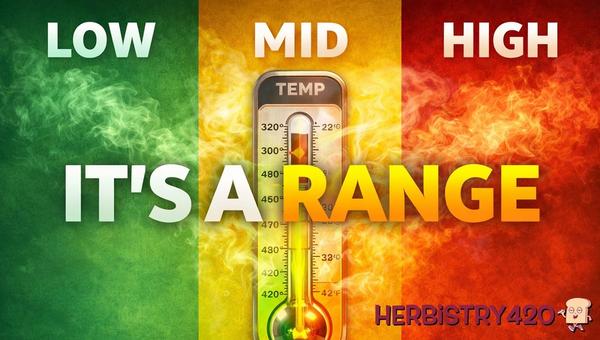
Vape Temperature Guide: What Low, Mid, and High Heat Actually Do
This vape temperature guide breaks down what vaporization temperatures actually mean, which compounds they release, and how to design intentional sessions. The first step to learning any vaporization temperature guide is recognizing that temperature isn't a single number — it's a range that controls what gets released and how a session feels. When you learn ...