
 DoseCraft
 VapeHeatLab
The Rise of Solventless: Why Rosin Is Taking Over Europe
Solventless concentrates like rosin are gaining ground fast across Europe. Here is what is driving the shift, how rosin is made, and why consumers are choosing it over solvent-based options.
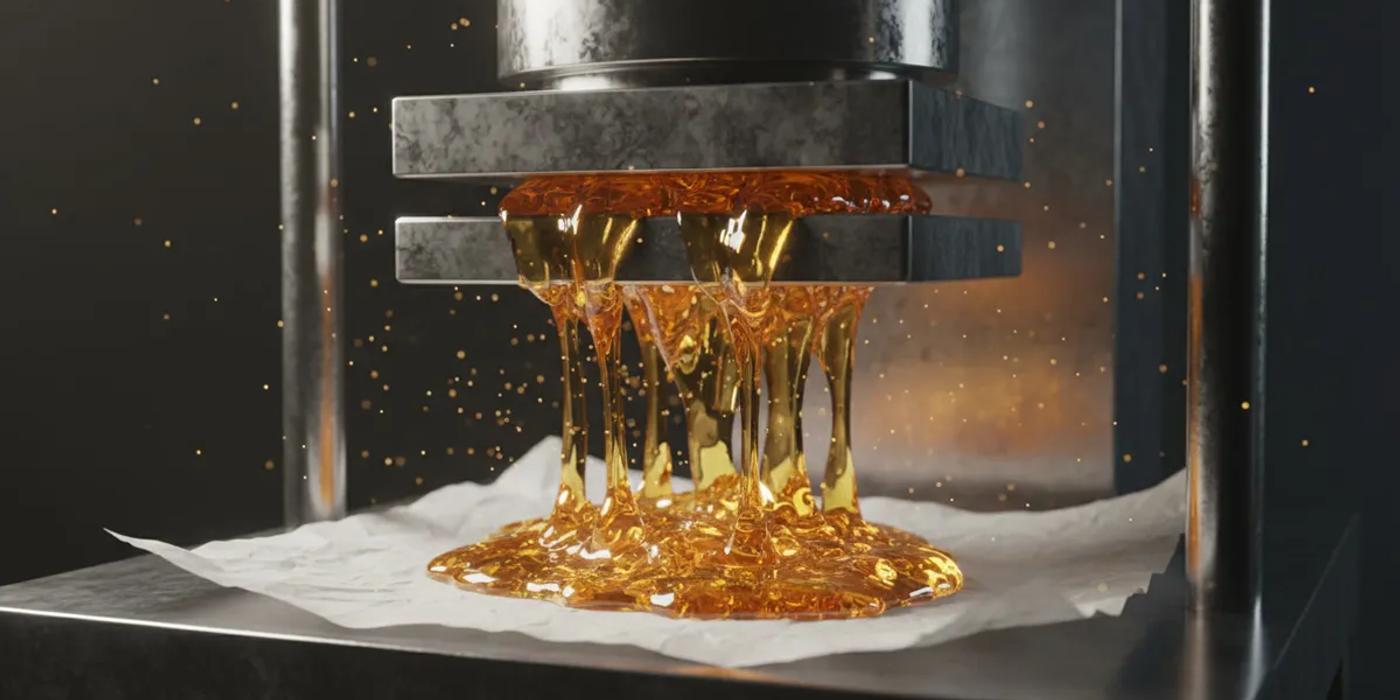
Walk into any progressive cannabis club in Barcelona or Amsterdam right now and you'll see the same thing: solventless concentrates are taking up more shelf space every year. Rosin in particular has gone from niche to mainstream in a few short years. Here is what is driving the shift.
What Makes Solventless Different
Solventless means exactly what it says: no chemical solvents in the extraction. Traditional concentrates like BHO (butane hash oil) and PHO (propane hash oil) use hydrocarbon solvents to dissolve trichomes and extract cannabinoids. The solvent is purged afterwards, but trace amounts can remain in the final product.
Solventless methods use only mechanical processes:
Rosin: heat and pressure squeeze the resinous oil directly out of flower, hash, or kief.
Ice water hash (bubble hash): ice-cold water and agitation knock the trichome heads off the plant material. The slurry is filtered through mesh bags of decreasing micron sizes.
Dry sift: fine mesh screens mechanically separate trichomes from dried flower.
The appeal is simple: nothing goes into the product that wasn't already in the plant.
Why Europe Is Embracing It
Consumer Demand for Clean Products
European cannabis consumers, especially in markets with established club culture like Spain and the Netherlands, are increasingly quality-conscious. The same trend that pushed organic food and natural cosmetics is reaching cannabis. People want to know exactly what they are inhaling.
Accessibility of Equipment
Rosin presses have gotten significantly more affordable. Home units that cost over $1,000 five years ago now start at $200 to $300. Commercial presses for clubs and producers have also dropped in price while gaining capability. The barrier to entry has dropped for both producers and enthusiasts.
Regulatory Alignment
In jurisdictions where cannabis production is regulated or semi-regulated, solventless methods face fewer compliance hurdles. No flammable solvents to store, no residual solvent testing requirements, no specialized ventilation systems. For cannabis clubs operating in Spain's grey area, that simplicity is a real practical advantage.
Rosin Quality Has Improved Dramatically
Early rosin had a reputation for being inferior to well-made BHO. That is no longer the case. Advances in technique have closed the gap completely:
Fresh-frozen rosin (made from plants frozen immediately after harvest) preserves terpene profiles that rival the best live resin.
Precise temperature control lets pressers target specific terpenes and consistencies, from saucy to badder to shatter-like.
Micron-graded bubble hash as starting material (known as 'hash rosin') produces concentrates that regularly score in the 90s at competition events.
The Tradeoff: Price
Solventless concentrates are typically more expensive than their solvent-based counterparts. The yield from rosin pressing is lower (15 to 25% return on flower vs. 20 to 30% for BHO), and hash rosin requires an extra step of making ice water hash first.
For many consumers the premium is worth it. For others, well-made BHO is still a perfectly valid choice. The market has room for both, and that is fine.
What This Means for You
If you have not tried solventless yet, it is worth exploring. Start with rosin from a reputable source and pay attention to the input material (flower rosin vs. hash rosin will taste very different). Use a low-temp dab setup to get the full terpene experience. Our Sesh Timer will help you dial in the timing for a perfect low-temp dab.
The solventless movement is not a trend. It is a return to basics: let the plant speak for itself, with nothing added and nothing to hide.
Frequently Asked Questions
What is the difference between rosin and BHO?
Is rosin stronger than other concentrates?
Can you make rosin at home?
References
- Cannabis Science and Technology (2025). Solventless Cannabis Extraction Methods. Cannabis Science and Technology
- Wikipedia contributors (2026). Rosin (cannabis). Wikipedia
From the Shop
See all



Related Posts
 Guides
A Beginner's Guide to Dabbing: Equipment, Technique, and Temperature
Everything a beginner needs to know about dabbing: what equipment to get, how to heat and time your dabs, temperature guidelines, and tips to make your first session a smooth one.

Vape Hash With Induction Heater: 5 Powerful Tips
Learning how to vape hash with induction heater setups like the iSpire Wand is one of the most efficient and flavorful ways to consume cannabis concentrates. In this guide, we break down exactly how to do it, what temperature to set, and how to keep your banger clean after every session. What You Need to ...

Vape Hash With DynaVap: 5 Honest Tips for Bigger Hits
Want to vape hash with DynaVap? It works — but there are a few technique differences from vaping dry herb that matter a lot. Fordee from Herbistry420 shows exactly how to do it: loading Afghani hash into a VapCap using a DIY secondary screen setup, dialling in the right amount of heat past the click, ...