
 DoseCraft
 VapeHeatLab
Spain Cannabis Clubs: Can the Grey Area Survive 2026?
An overview of how cannabis social clubs operate in Spain, the legal grey area they exist in, and what recent regulatory developments mean for members in 2026.
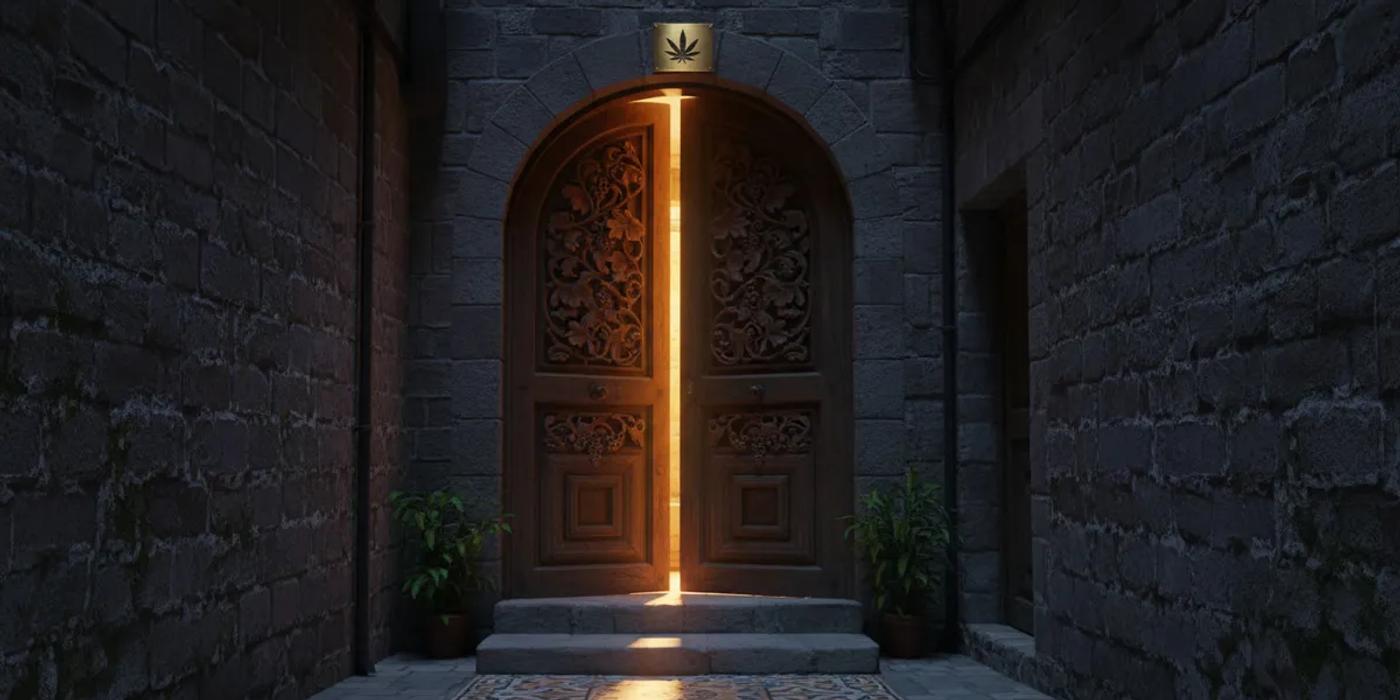
Spain has one of the most unique cannabis frameworks in Europe. While the country has not fully legalized recreational cannabis, its social club model has created a thriving private consumption culture, particularly in Catalonia and the Basque Country. Here is what members and prospective members should know in 2026.
How Cannabis Social Clubs Work
Cannabis social clubs (CSCs) are private, non-profit associations. Members collectively fund the cultivation of cannabis, which is then distributed among members for personal use. The key legal principle is that personal consumption in private spaces is not penalized under Spanish law.
Clubs typically require a membership application, a referral from an existing member, and valid identification. Once accepted, members can access the club's private space to consume cannabis and collect their allocation.
The Legal Framework
Spain's approach is built on a series of court rulings rather than specific legislation. The Spanish Constitutional Court has ruled that personal use does not constitute a crime, and shared cultivation among a closed group of adults falls into a grey area that courts have generally tolerated.
However, selling cannabis remains illegal. This creates a tension: clubs must operate strictly as non-profit collective grows, not as commercial dispensaries. Clubs that stray from this model risk prosecution.
Regional Differences
Regulation varies significantly across Spain's autonomous communities:
- Catalonia has the most developed framework, with the Catalan Parliament passing regulations for CSCs as early as 2017. Barcelona alone has hundreds of active clubs.
- Basque Country has similarly progressive local guidelines, with municipal registration requirements for clubs.
- Other regions have fewer clubs and less regulatory clarity, with some local governments actively discouraging new club openings.
What Changed in Recent Years
The conversation around cannabis regulation in Spain has shifted. Several developments are shaping the landscape:
- Increased municipal oversight in Barcelona, with stricter zoning rules for new club locations.
- Growing pressure from the EU to harmonize drug policy, though member states retain significant autonomy.
- A broader European trend toward decriminalization, with Germany's legalization in 2024 influencing the debate across the continent.
- Calls from within Spain's club association networks for a clear national regulatory framework to replace the current patchwork approach.
What This Means for Members
If you are a member of a cannabis club in Spain, the practical advice has not changed much: choose a well-established club that operates transparently, keep your consumption private, and stay within your allocation limits. The clubs that survive regulatory scrutiny are the ones that stick to the original model of collective cultivation for personal use.
For those considering joining a club, do your research. A reputable club will not pressure you to sign up on the street, will require proper identification, and will clearly explain their rules and limits during the membership process.
Looking Ahead
Spain's cannabis club model remains one of the most watched experiments in European drug policy. Whether it evolves into a fully regulated system or stays in its current grey area depends on political will at both the national and EU level. For now, the social club model continues to function as a pragmatic, if imperfect, approach to cannabis access.
Frequently Asked Questions
Are cannabis clubs legal in Spain?
Can tourists join a cannabis club in Spain?
How much cannabis can you get at a Spanish cannabis club?
References
- Wikipedia contributors (2026). Cannabis in Spain. Wikipedia
- EMCDDA (2025). European Drug Report. European Monitoring Centre for Drugs and Drug Addiction
From the Shop
See all


Related Posts
 News
NewsUsed a Hint on the Cannabis Crossword? You're Now on the Board.
The Highbrow leaderboard used to show only the fastest clean solves. Now everyone who finishes the daily cannabis crossword lands on the board, hints and all. Here is what changed and why we opened the doors.
 News
NewsThe Rise of Solventless: Why Rosin Is Taking Over Europe
Solventless concentrates like rosin are gaining ground fast across Europe. Here is what is driving the shift, how rosin is made, and why consumers are choosing it over solvent-based options.
 News
News5 Cannabis Research Studies Worth Reading in 2026
Five peer-reviewed cannabis studies that hold up to scrutiny: Russo's entourage effect framework, CBD-THC drug interactions, the first human CBG trial, sleep architecture in chronic users, and the Dunedin long-term study. All citations real and verified.