
 DoseCraft
 VapeHeatLab
Warm Water vs Cold Water Bong: The Difference Most People Miss
The warm water vs cold water bong debate comes down to how you want air to feel on its way in. Cold water cools the airflow aggressively, producing crisp and refreshing hits. Warm water adds humidity, conditioning the air for a smoother experience with less throat shock. Neither is objectively better — both are personal ...
The warm water vs cold water bong debate comes down to how you want air to feel on its way in. Cold water cools the airflow aggressively, producing crisp and refreshing hits. Warm water adds humidity, conditioning the air for a smoother experience with less throat shock. Neither is objectively better — both are personal choices. This guide breaks down the actual mechanical differences of warm water vs cold water bong setups so you can make an informed call.
Warm Water vs Cold Water Bong: What Actually Changes
When comparing warm water vs cold water bong performance, the key variable is how each temperature affects airflow sensation. Cold water rapidly cools the air passing through, which makes hits feel denser, crisper, and more intense. Warm water adds moisture to the same air, softening the sensation and reducing throat irritation. Neither option significantly changes filtration — both temperatures remove water-soluble compounds at a similar rate. The difference is almost entirely sensory.
Warm Water Bong: Pros and Cons
A warm water bong produces humid airflow that feels noticeably smooth on inhale. Users who cough frequently or have sensitive airways often find that a warm water bong session is easier to handle than a cold one. The moisture conditions the air before it reaches your throat, reducing the dry scratch common with cold setups.
The main risk with a warm water bong is water temperature. Never use boiling or near-boiling water — steam irritation and throat scalding are real concerns. Use water that’s comfortable to the touch. If you wouldn’t submerge your hand in it, don’t inhale air through it. Always test with a dry pull before packing to confirm the temperature is tolerable.
Cold Water Bong: The Classic Approach
A cold water bong is the default for most users, and for good reason. Cold water contracts the air passing through, giving each hit a sharp, clean quality that’s instantly recognizable. For large pulls and high airflow devices, a cold water bong performs well and feels refreshing.
One important note: a cold water bong can numb throat feedback. This means you may not realize how large your hit was until a few seconds after exhaling. If you’re pacing yourself or trying to session moderately, this is worth keeping in mind. Cold is great for ripping — just be aware of the feedback suppression.
What’s the Difference Between Warm and Cold Water in a Bong?
So what’s the difference between warm and cold water in a bong at a mechanical level? Cold water cools and contracts the incoming air, making it feel denser in the lungs. Warm water humidifies air before it reaches the throat, reducing friction and irritation. The question of what’s the difference between warm and cold water in a bong matters most for users optimizing for comfort — not for users chasing larger clouds or bigger extraction. Both filter similarly; both work. The difference lives in sensation.
Cleanliness also plays a role. What’s the difference between warm and cold water in a bong once the water sits for a day? None, hygienically speaking — both get dirty at the same rate. Change bong water after every session and clean with isopropyl alcohol and salt regularly. Dirty glass hurts your experience more than water temperature ever will.
Is Warm Water Better for a Bong?
Is warm water better for a bong? It depends entirely on your sensitivity. If cold hits trigger coughing, dryness, or discomfort, warm water is better for a bong in your situation because it conditions air before it reaches the throat. If you prefer large, crisp pulls with sharp feedback, cold water will serve you better. The best setup is the one your body responds to well — not the one someone on the internet swears by.
Frequently Asked Questions
What is the warm water vs cold water bong difference for beginners?
Does a warm water bong filter better than cold?
Is there a right temperature for a cold water bong?
Is warm water better for a bong in colder weather?
References
Where to Buy
- To pick up a T.H.C. Cap visitaffiliate10% with code herbistry
- To pick up a HyperDyn visitaffiliate10% with code herbistry
- To pick up a Dynavap HyperDyn SE II please visitaffiliate10% with code herbistry
- To pick up the IH 3.0 by YLLVape please visitaffiliate10% with code Herbistry
- To pick up a Chill Steel Pipe visit
- Cannabis Apparel Store
Some links above are affiliate links. We may earn a commission at no extra cost to you.
From the Shop
See all
Related Posts
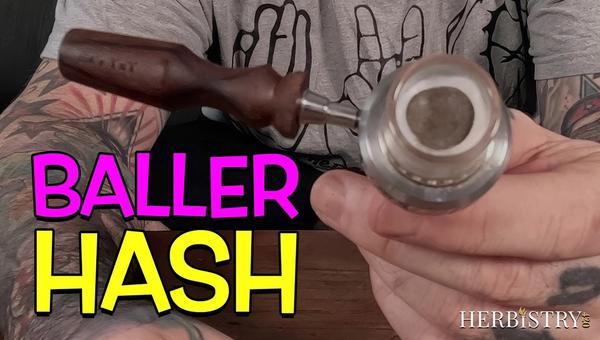
Hash in a Ball Vape: How I Run It in the Universal Baller at 626°F
Part two of the Universal Baller run, this time with hash. 626°F with the quartz insert out, a small disc of filtered 4 star on a Cotton Bacon screen, a 30 second heat soak and then small puffs to build heat in the bowl. The thing that decides the session is heat stacking, so the real skill is loading an amount you can finish before the window closes.
How to Change Ball Media in the Ruby Twist Pro (Flavor and Performance Mode)
The Ruby Twist Pro runs two setups: flavor mode with the stock 2.5mm rubies and the cyclone widget, or performance mode with the widget out and more balls in. This guide walks the full media swap in both directions, start to finish, in about four minutes.

What Is AVB? Why You Should Never Throw Away Vaped Bud
What is AVB? If you've been dry herb vaping and throwing away the spent material at the end of each session, you've been throwing away something valuable. AVB — Already Vaped Bud (also called ABV, Already Been Vaped) — is the cannabis left over after vaporizing, and it's still worth using. In this guide, we'll ...