
 DoseCraft
 VapeHeatLab
Vaporizer Airflow: The Silent Setting That Makes Sessions Feel Weak
Vaporizer airflow explained: if temperature controls what gets released, airflow controls how it gets released. Understanding how does airflow affect vaping is where most users improve the most, because airflow mistakes are invisible — they don't announce themselves as errors, they just make sessions feel weak or inconsistent. This guide covers device airflow types, draw ...
Vaporizer airflow explained: if temperature controls what gets released, airflow controls how it gets released. Understanding how does airflow affect vaping is where most users improve the most, because airflow mistakes are invisible — they don’t announce themselves as errors, they just make sessions feel weak or inconsistent. This guide covers device airflow types, draw technique, and practical ways to take control of your sessions.
Vaporizer Airflow Explained: Device vs User Control
Airflow in vaporizers works in two layers: the design built into the device, and the draw behavior controlled by the user. Both happen simultaneously during a session. Vaporizer airflow explained means understanding that airflow determines how fast heat leaves the bowl — and that rate directly affects vapor density, extraction efficiency, and how forgiving a session feels.
Every device falls into one of three airflow categories:
- Open airflow — Very little resistance. Air moves freely. Works best with slow, controlled draws and higher temperatures.
- Restricted airflow — Less air, more resistance. Heat stays in the bowl longer. Works well with lower temperatures and stronger draws.
- Adjustable airflow — Allows users to set a baseline restriction before each session. Requires attention to both temperature and draw behavior when adjusted.
How Does Airflow Affect Vaping: Open vs Restricted
How does airflow affect vaping in practice? Open airflow systems let heat escape quickly — this means a fast draw on an open device removes heat from the bowl faster than the material can vaporize, resulting in thin or absent vapor. The fix isn’t raising temperature. It’s slowing the draw so heat stays in the bowl longer.
In restricted systems, it’s the opposite: less air moves with each draw, so heat stays in the bowl naturally. A stronger pull doesn’t dramatically increase airflow volume — it increases convective cooling pressure subtly. Overshooting temperature in a restricted setup is harder to correct with draw technique alone.
Vape Airflow Tips: Draw Speed and Technique
The most impactful vape airflow tips focus on draw control. In open airflow systems, draw speed is the key variable. A slower draw allows heat to stay in the bowl and produce denser vapor. A faster draw removes heat too quickly, leaving the session feeling light or empty.
For restricted systems, draw strength matters more than speed. Pulling harder doesn’t flood the bowl with air the same way it would in an open system, but it does increase cooling pressure gradually. Both systems require technique calibration — what works on one device may actively work against you on another.
Vape Airflow Hacks for Better Sessions
One of the most effective vape airflow hacks is user-controlled air path covering. By partially covering the air intake or air path cutout with a finger, you increase restriction in real time — no device adjustment needed. This lets you manage vapor density mid-session without changing settings. Partial coverage creates more restriction; full coverage maximizes heat retention.
Additional tips by device type:
- Open airflow devices: slow your draw first before increasing heat.
- Restricted devices: avoid overshooting temperature — airflow won’t save you.
- Adjustable devices: adjust airflow before changing temperature; note how each setting interacts with your draw.
Learn Vape Airflow: Common Mistakes to Avoid
To learn vape airflow properly, start by identifying which category your device falls into. Then match your draw technique to that system. The three most common mistakes are: running low temperatures with very open airflow, running high temperatures with very restricted airflow, and changing airflow settings without adjusting draw technique.
Once you learn vape airflow well enough to recognize which variable to adjust first, sessions become predictable. Temperature sets available energy. Airflow determines how quickly that energy is spent. Both work as a unified system — not as separate controls.
Frequently Asked Questions
Is vaporizer airflow explained the same across all device types?
What vape airflow hacks work for beginners?
How does airflow affect vaping on manual vapes specifically?
What are the best vape airflow tips for dense vapor?
References
Where to Buy
From the Shop
See all


Related Posts
Hash in a Ball Vape: How I Run It in the Universal Baller at 626°F
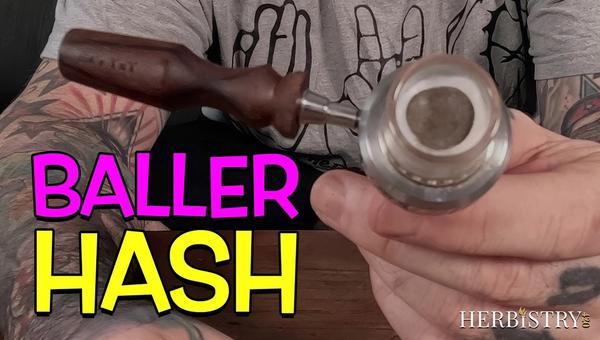
Part two of the Universal Baller run, this time with hash. 626°F with the quartz insert out, a small disc of filtered 4 star on a Cotton Bacon screen, a 30 second heat soak and then small puffs to build heat in the bowl. The thing that decides the session is heat stacking, so the real skill is loading an amount you can finish before the window closes.
How to Change Ball Media in the Ruby Twist Pro (Flavor and Performance Mode)
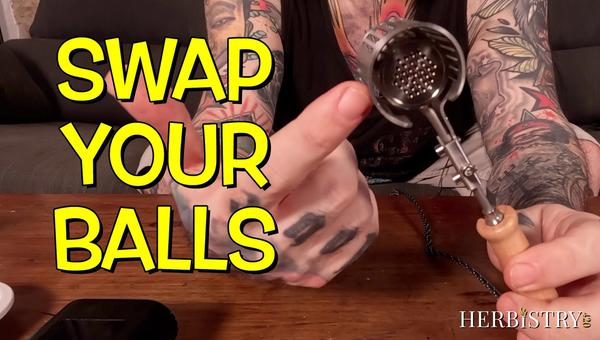
The Ruby Twist Pro runs two setups: flavor mode with the stock 2.5mm rubies and the cyclone widget, or performance mode with the widget out and more balls in. This guide walks the full media swap in both directions, start to finish, in about four minutes.

What Is AVB? Why You Should Never Throw Away Vaped Bud
What is AVB? If you've been dry herb vaping and throwing away the spent material at the end of each session, you've been throwing away something valuable. AVB — Already Vaped Bud (also called ABV, Already Been Vaped) — is the cannabis left over after vaporizing, and it's still worth using. In this guide, we'll ...