
 DoseCraft
 VapeHeatLab
Rosin Puck Tincture (QWET Method) — Complete Step-by-Step Guide
Why Make a Rosin Puck Tincture? If you press rosin regularly, you’re sitting on a goldmine of leftover cannabinoids. Rosin pucks still contain roughly 10–20% of the original potency, depending on how efficient your press was. Instead of tossing them, you can extract what remains and turn it into a powerful rosin puck tincture. One ...
Why Make a Rosin Puck Tincture?
If you press rosin regularly, you’re sitting on a goldmine of leftover cannabinoids. Rosin pucks still contain roughly 10–20% of the original potency, depending on how efficient your press was. Instead of tossing them, you can extract what remains and turn it into a powerful rosin puck tincture.
One of the best ways to do this is the QWET extraction (Quick Wash Ethanol Technique). The goal is simple:
- Pull cannabinoids quickly
- Avoid chlorophyll
- Preserve flavor
- Create a clean tincture
This Rosin Puck Tincture guide walks you through the exact process from decarb to filtration.
Step 1 — Grind & Decarb the Rosin Pucks
Start with about 200 g of rosin pucks.
Grind First
Use a coffee grinder and turn the pucks into a powder.
Grinding increases surface area and improves extraction efficiency.
Decarb Settings
Place the material into a mason jar and decarb:
Temperature: 230–240°F (110–115°C)
Time: 45 minutes
Keep the jar loosely closed during heating, then tighten once removed and cooled slightly.
Decarboxylation activates THCA → THC so the tincture becomes psychoactive.
Step 2 — Freeze Everything (Critical Step)
This is the most important part of a clean rosin puck tincture.
You must freeze BOTH:
- Decarbed cannabis material
- Ethanol alcohol
Freeze time: Minimum 24 hours
Why?
Cold temperatures dramatically reduce chlorophyll extraction and keep your tincture lighter in taste and color.
Step 3 — Choose the Right Alcohol
The ideal solvent is:
190 proof (95%) ethanol
You can use weaker alcohols, but here’s what happens:
Water content pulls unwanted compounds — so higher proof = cleaner tincture.
Step 4 — The QWET Wash
Take the frozen jar and frozen alcohol out of the freezer.
Pour just enough ethanol to fully cover the material.
Seal tightly and shake gently for a few seconds.
Then follow the timing cycle:
- Freeze 5 minutes
- Shake briefly
- Freeze 5 minutes
- Shake again
- Freeze 5 minutes
Total wash time: ~15 minutes
Do NOT continuously shake — grinding damaged cell walls and aggressive agitation releases chlorophyll.
Step 5 — Filtration (Do NOT Rush This)
Set up:
- Cheesecloth
- Bottle or jar
- Funnel
Pour the mixture through the cheesecloth and let gravity do the work.
⚠️ Important:
Do NOT squeeze or press the material.
Because the pucks were ground finely, forcing filtration pushes plant particles and chlorophyll into the tincture, ruining flavor and color.
Patience here equals quality.
What Color Should It Be?
Your finished rosin puck tincture will likely appear green — that’s normal with reused material.
A darker green usually means:
- More plant compounds extracted
- Slightly harsher taste
Potency Expectations
Rosin pucks vary wildly, but typical ranges:
- Mild press leftovers: ~10 mg/ml
- Average: 20–50 mg/ml
- Strong batches: 75+ mg/ml
Light-based testers can struggle reading tinctures with heavy chlorophyll because the particles interfere with optical measurement.
In other words — if it won’t register, it may actually be very strong.
Tips for Cleaner Results
Use shorter washes
Longer = greener
Keep everything frozen
Temperature controls extraction selectivity
Don’t over-agitate
Shaking pulls plant waxes and pigments
Never press the cheesecloth
Biggest quality killer
Can You Use Regular Flower Instead?
Yes — the same process works perfectly with standard cannabis.
The only difference:
Flower usually produces a lighter, better-tasting tincture than rosin pucks.
How to Use the Finished Rosin Puck Tincture
Start low and slow.
Suggested beginner dose:
0.25 ml – 0.5 ml
Hold under tongue for 30–60 seconds before swallowing.
Onset time:
15–45 minutes (sublingual)
1–2 hours (swallowed)
Final Thoughts
Making a rosin puck tincture is one of the best ways to recycle pressing leftovers and recover valuable cannabinoids you already paid for. With proper freezing, short wash times, and gentle filtration, the QWET method produces a surprisingly potent and usable extract.
If you’re pressing regularly, you should never throw pucks away again — they’re basically edibles waiting to happen.
For more extraction walkthroughs and experiments: Edibles
References
Where to Buy
- To pick up the POT by Noids please visitaffiliate5% with code herbistry420
- POT by Noidsaffiliate5% with code herbistry420
- Cannabis Apparel Store
Some links above are affiliate links. We may earn a commission at no extra cost to you.
Related Posts

Strongest Cannabis Tincture Recipe: 27mg/ml — 4 Tips
The strongest cannabis tincture recipe I have made came out at 27.3 milligrams per milliliter — tested with the TCheck 2 potency tester. This batch used 190-proof ethanol (95% alcohol) as the solvent and decarboxylated flower. The result was so concentrated it needed to be diluted before use. This post covers the method, the TCheck ...
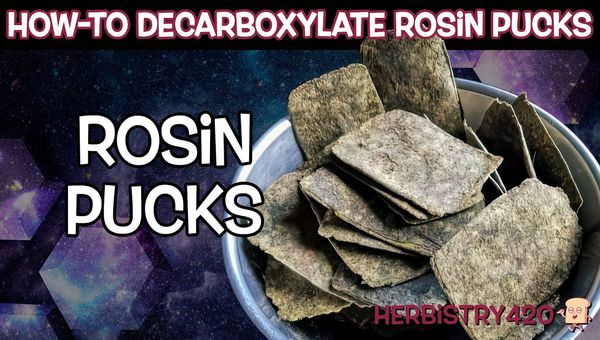
How to Decarb Rosin Pucks for Edibles (Don't Throw Your Spent Chips Away)
Decarbing rosin pucks for edibles is a simple 3-step process that activates the THC in your leftover rosin chips so they can be used in butter, oil, tinctures, or spice mixes. If you've been pressing rosin and saving your spent pucks, don't throw them away — they still contain cannabinoids worth activating. This guide walks ...
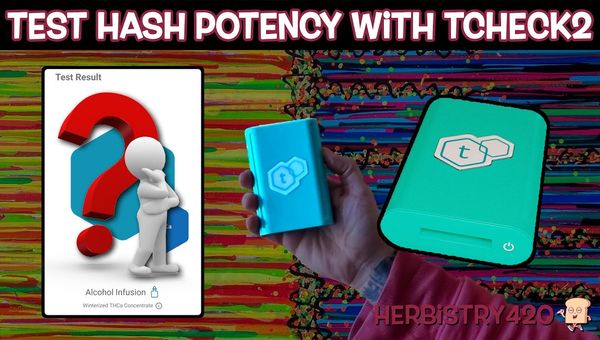
TCheck 2 Hash Potency Test: 5 Steps to Accurate Results at Home
The TCheck 2 hash potency test lets you measure the THC percentage of your hashish, concentrates, or infusions at home without sending samples to a lab. In this guide we walk through the exact 5-step process used to test a dry hashish sample — which came in at 34% THC — and share tips for ...