
 DoseCraft
 VapeHeatLab
Make Dry Hash Sticky and Malleable: 5 Simple Steps
Want to make dry hash sticky and malleable so you can use it in a hash kettle or shape it into a rope for a joint? In this experiment, we test a mallet-based technique that releases the natural oils trapped in dry sift hash — turning brittle, crumbly material into something you can actually work ...
Want to make dry hash sticky and malleable so you can use it in a hash kettle or shape it into a rope for a joint? In this experiment, we test a mallet-based technique that releases the natural oils trapped in dry sift hash — turning brittle, crumbly material into something you can actually work with.
Why You Need to Make Dry Hash Sticky and Malleable
Dry sift hash and some pressed hashes are too brittle to shape by hand. To use them in a hash kettle, you need to roll the hash into a candy cane or U shape — and that is impossible with material that crumbles apart. The dry hash parchment paper technique described here solves this by physically releasing the trichome oils inside the hash, making it workable without adding any foreign ingredients.
5 Simple Steps to Make Dry Hash Sticky and Malleable
Here is the mallet method for hash, step by step:
- Weigh and prepare your hash — Cut or break off the amount you want to work with. In this experiment, 3 grams was used. Weighing first lets you track whether the process changes the material significantly.
- Wrap in parchment paper — Place the hash in the centre of a sheet of parchment paper. Fold the edges over to create a small packet, similar to how you would contain hash when pressing rosin. This uses the dry hash parchment paper technique and keeps pieces from flying off the table as you work.
- Apply the mallet method for hash — Using a rubber or wooden mallet, lightly and evenly tap the packet. You are not trying to smash it flat — the goal is to release hash oils with mallet impacts by compressing the trichomes just enough that their oils begin to surface. Keep the strikes moderate; too hard can scatter the hash. Flip the packet over regularly and keep the hits even across the surface.
- Check and work with your hands — Every few minutes, open the packet and check the consistency. You will start to see a colour change — the beaten material gets noticeably darker as oils are released. At this point, begin working the hash between your fingers. Body heat helps continue the process. Keep folding and pressing until you can roll it into a rough cylinder without it breaking apart.
- Test whether the hash is malleable for hash kettle use — Take a small piece and try to form it into a candy cane shape. If it holds together and stays lit when you touch a flame to it (rather than melting and falling apart), you have made hash malleable for hash kettle use successfully. If it still crumbles, continue with the mallet and hand-working process.
Alternative Methods to Make Dry Hash Sticky and Malleable
The mallet approach works well for hash with natural oil content. If your dry sift is especially low in residual oils, consider these alternatives:
- Sock method — Wrap the hash in cling wrap, place inside a sock, and keep it against your body for an hour. Body heat softens the oils and makes the material more pliable.
- RSO or FECO addition — Mix a tiny amount of RSO (Rick Simpson Oil) or FECO into the hash and knead it in. The concentrated oil makes even very dry hash sticky and workable without significantly changing the flavour.
- Gentle hand warming — Simply working the hash in your palms for an extended period can be enough for moderately dry material, as the heat and pressure gradually release hash oils with mallet-free effort.
Frequently Asked Questions
Does every dry hash become malleable with the mallet method?
How do you know when hash is ready to shape?
Will the mallet damage the hash or reduce potency?
References
Where to Buy
Some links above are affiliate links. We may earn a commission at no extra cost to you.
Related Posts

Vape Hash With DynaVap: 5 Honest Tips for Bigger Hits
Want to vape hash with DynaVap? It works — but there are a few technique differences from vaping dry herb that matter a lot. Fordee from Herbistry420 shows exactly how to do it: loading Afghani hash into a VapCap using a DIY secondary screen setup, dialling in the right amount of heat past the click, ...
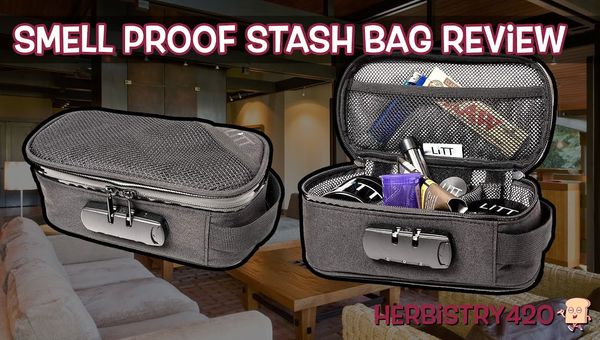
New Smell Proof Stash Bag Review: 4 Things to Know
This smell proof stash bag review covers a $30 carbon-lined odorless stash bag from Amazon. Fordee demos what fits inside, how the combination lock works, and gives an honest verdict on whether it actually blocks cannabis odor. Smell Proof Stash Bag Review: How the Carbon Lining Works The key feature of this carbon lined stash ...