
 DoseCraft
 VapeHeatLab
Barcelona Cannabis Culture: A Visitor's Honest Guide
An honest look at Barcelona's cannabis culture from someone who lives there. How clubs work, what to expect, the legal grey area, and etiquette tips.
by Fordee
Barcelona and Cannabis: The Real Picture
I have lived in Barcelona for years, and one of the questions I get asked most is about the cannabis culture here. There is a lot of misinformation online, usually from tourist-focused blogs that make it sound like Barcelona is some kind of cannabis paradise where anything goes. The reality is more nuanced, and I want to give you an honest picture.
Barcelona does have a unique cannabis culture, centered around private social clubs. But it is not Amsterdam. It is not legal in the way many people assume. And the experience is very different depending on whether you are a local or a visitor.
Disclaimer: This article is educational. Cannabis laws vary and change. Nothing here is encouraging illegal activity. Always research and follow the laws wherever you are.
The Social Club Model
Barcelona's cannabis scene is built around the social club model. These are private, members-only associations where adults can collectively cultivate and consume cannabis on the premises. They are technically legal under Spanish association law, though the specifics exist in a grey area that has been tested in courts repeatedly.
The concept is based on Spain's distinction between public and private use. Personal consumption of cannabis in private spaces is decriminalized in Spain. The clubs extend this concept to a private association setting.
There are hundreds of these clubs in Barcelona, ranging from tiny basement operations to large, well-designed spaces with music, art, food, and a genuine community atmosphere. The quality varies enormously.
How Clubs Work
Membership
To enter a cannabis social club, you need to be a member. Membership typically requires being introduced or invited by an existing member. You register with your ID, sign a membership agreement, and pay an annual fee. The club then provides cannabis to its members from a collectively grown supply.
Members pay for their cannabis at the club. This is framed as contributing to the collective cultivation cost rather than purchasing, which is an important legal distinction. Prices are generally reasonable and the quality is often very high.
What Happens Inside
Once you are inside, a club typically looks like a lounge or bar. There are seating areas, often a bar serving drinks and snacks, music, and a counter where you select your cannabis. Most clubs offer a variety of flower strains, hash, and sometimes edibles or concentrates.
Consumption happens on the premises. You sit down, roll a joint or use a vaporizer or bong provided by the club, and enjoy your session in a social environment. Many clubs host events, movie nights, gaming tournaments, and other community activities.
The Legal Grey Area
Here is where it gets complicated. Cannabis social clubs operate in a legal grey area. Spanish law decriminalizes personal cannabis use in private spaces and allows people to form associations. The clubs operate under this framework.
However, there is no specific legislation that explicitly legalizes cannabis clubs. Court rulings have both supported and challenged the model over the years. The general understanding is that clubs that operate responsibly, do not advertise publicly, keep membership controlled, and do not sell to minors are tolerated.
Local governments in Barcelona have at various points tried to regulate clubs through licensing, moratoriums on new clubs, and zoning restrictions. The legal landscape is genuinely evolving, and what is true today might change tomorrow.
For the average member, this grey area mostly does not matter in practical terms. Clubs operate openly, and members consume without issue. But it is important to understand that this is not the same as full legalization.
What Visitors Should Know
If you are visiting Barcelona, here are some honest realities:
Tourist Clubs Are Not the Real Thing
There are clubs that specifically target tourists, often with touts on the streets handing out flyers. These tend to be lower quality, higher prices, and sometimes operate in ways that are pushing the legal limits. The best clubs in Barcelona do not advertise and do not have people on the street recruiting members.
Legitimate Access Requires a Connection
Getting into a reputable club as a visitor usually means knowing someone who is already a member and can invite you. This is by design. The membership model is meant to be private and controlled. If you are visiting and you do not know anyone, your options for accessing quality clubs are limited.
Consumption is On-Premises Only
Cannabis from a club is meant to be consumed at the club. Taking it outside is a grey area at best and technically the associations do not allow it. Public consumption of cannabis in Spain can result in fines of 601 to 30,000 euros. Do not walk down La Rambla with a joint, no matter what you see other people doing.
It is Not a Coffee Shop
Unlike Amsterdam's coffee shops, Barcelona's clubs are private. You cannot just walk in off the street. There are no menus in the window. The vibe is more like a members-only lounge than a retail establishment.
Etiquette and Culture
If you do find yourself at a cannabis club in Barcelona, here are some cultural notes:
- Be respectful of the space. These are private associations, not party venues.
- Ask before taking photos. Many clubs prohibit photography for privacy reasons.
- Do not be loud or disruptive. The atmosphere in most clubs is relaxed and chill.
- Try something new. Barcelona clubs often have strains and hash varieties that are hard to find elsewhere.
- Talk to people. The social element is a genuine part of the culture. Many regulars have been coming to their club for years.
- Tip the staff if you feel they went above and beyond, though it is not mandatory.
The Quality
One thing that genuinely impresses me about Barcelona's club scene is the quality of cannabis available. The top clubs work with skilled growers and offer strains that rival anything you would find in legal markets in the US or Canada. The hash scene in particular is exceptional, with traditional and modern extraction methods producing some incredible products.
Because clubs are competing for members in a crowded market, quality is a real differentiator. The best clubs take pride in their selection and update their menu regularly with fresh harvests.
Looking Forward
Spain has been discussing broader cannabis regulation at the national level for years. Catalonia, the region that includes Barcelona, has generally been more progressive on the issue. There is a genuine possibility that clearer legislation will eventually formalize what already exists in practice.
For now, the club scene continues to operate as it has for years: in a grey area, but openly and with a strong community. Whether you live in Barcelona or are just visiting, understanding how the culture actually works helps you navigate it with respect and realistic expectations.
As someone who calls Barcelona home, I can say that the cannabis culture here is genuinely special. It is not perfect, and it is not for everyone, but when you find a good club with good people, it is a great experience.
Frequently Asked Questions
Are cannabis clubs legal in Barcelona?
Can tourists join cannabis clubs in Barcelona?
Is it legal to smoke weed on the street in Barcelona?
How much does cannabis cost in Barcelona clubs?
References
- Wikipedia contributors (2026). Cannabis in Spain. Wikipedia
- EMCDDA (2021). Spain Country Drug Report 2021. European Monitoring Centre for Drugs and Drug Addiction
- Pardal M (2018). Cannabis Social Clubs in Spain: A Normalizing Alternative. International Journal of Drug Policy

Related Posts
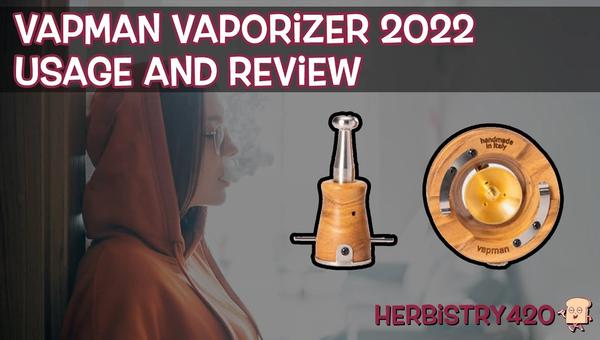
Vapman Vaporizer Review: 3 Tips to Get the Perfect Hit
This Vapman vaporizer review covers one of the most surprisingly effective vaporizers Herbistry420 has ever tested. The Vapman is a flame-heated, Swiss-made vaporizer that looks like a decorative wooden ball but delivers absurdly efficient vapor from the smallest amount of flower you have ever loaded. Forty went in skeptical and came out a believer. Here ...

Spannabis 2024: 10 Best Interviews and Product Highlights
Spannabis 2024 in Barcelona, Spain brought together hundreds of cannabis brands, growers, and enthusiasts for one of Europe's biggest cannabis conventions. On Friday, March 15th, Herbistry420 hit the floor to interview vendors, check out new products, and capture the energy of the event. Here are the 10 best interviews and product highlights from the day. ...
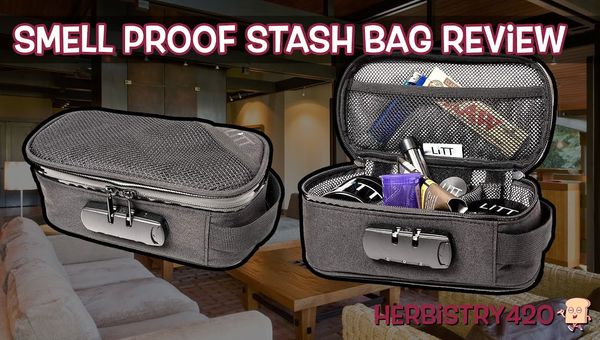
New Smell Proof Stash Bag Review: 4 Things to Know
This smell proof stash bag review covers a $30 carbon-lined odorless stash bag from Amazon. Fordee demos what fits inside, how the combination lock works, and gives an honest verdict on whether it actually blocks cannabis odor. Smell Proof Stash Bag Review: How the Carbon Lining Works The key feature of this carbon lined stash ...