
 DoseCraft
 VapeHeatLab
Microdosing Cannabis: How to Find Your Minimum Effective Dose
Learn how to microdose cannabis effectively. What it means, who it benefits, how to start, which methods work best, and how to find your minimum effective dose.
by Fordee
What Is Cannabis Microdosing?
Microdosing cannabis means consuming very small amounts of THC, typically between 1 and 5 milligrams, to achieve subtle therapeutic or functional benefits without the full psychoactive experience. The goal is not to get high. The goal is to find the minimum amount that produces the effects you want while remaining completely functional.
Think of it like the difference between having one sip of wine with dinner and drinking the whole bottle. Microdosing is about finding that sip-sized dose for cannabis, enough to take the edge off, enhance your mood, or manage symptoms, without any impairment.
This approach has gained significant popularity in recent years, particularly among professionals, parents, and medical users who want the benefits of cannabis without the fog. And the research is starting to catch up with what practitioners have known for a while: sometimes less really is more.
Who Benefits from Microdosing?
Microdosing is not for everyone, but it works remarkably well for certain situations:
- Anxiety management — Low doses of THC (1-2.5mg) can reduce anxiety without the paranoia that higher doses sometimes trigger.
- Focus and creativity — Many users report enhanced creativity and flow states at microdose levels.
- Pain management — Chronic pain sufferers often find that low, consistent doses provide steady relief.
- Sleep onset — A small dose an hour before bed can help with falling asleep without morning grogginess.
- Social situations — Some people use microdoses to ease social anxiety while remaining sharp and present.
- First-time users — Microdosing is the safest way to explore cannabis without overwhelming effects.
The common thread is functionality. Microdosers want to add something positive to their day without it becoming the centerpiece.
How to Start Microdosing
Finding your minimum effective dose requires a systematic approach. Here is how to do it properly:
Step 1: Choose Your Method
Not all consumption methods are equally suited to microdosing. Here are the best options:
- Tinctures and oils — The gold standard for microdosing. Drops under the tongue allow precise measurement down to 1mg increments. Onset is 15-30 minutes sublingual, or 45-90 minutes if swallowed.
- Low-dose edibles — Many manufacturers now make 2.5mg or even 1mg edibles specifically for microdosing. Onset is 30 minutes to 2 hours.
- Dry herb vaporizers — A single small draw from a vaporizer at low temperature delivers a very small dose. The challenge is consistency since each draw varies.
- One-hitters — A single hit from a small pipe gives you a controllable dose, though quantifying the exact milligrams is difficult.
For beginners, tinctures are the best option because you can measure exactly. Once you know your dose, you can translate it to other methods.
Step 2: Start at the Bottom
Begin with 1 to 2.5 mg of THC. Yes, that is an extremely small amount. That is the point. You are looking for the threshold where you start to notice something, not looking to feel stoned.
Take your dose and wait. For tinctures held under the tongue, give it 30-45 minutes. For edibles, wait a full 2 hours. Do not redose during this waiting period, no matter how little you feel.
Step 3: Observe and Journal
This is the most important step. Pay attention to how you feel and write it down. You are looking for subtle changes:
- Did your mood shift slightly?
- Did physical tension release?
- Did your mind quiet down a bit?
- Were you able to focus more easily?
- Did you feel any impairment at all?
The ideal microdose produces benefits you can notice when you pay attention, but that someone else would not be able to detect from the outside.
Step 4: Adjust Gradually
If you felt nothing after a full waiting period, increase by 1mg the next day. If you felt too much, decrease by 1mg. Most people find their sweet spot between 2 and 5mg, but some need as little as 1mg and others may need up to 7-8mg.
This process typically takes 3-7 days of experimentation. Be patient with it. The small amount of time invested pays off with a dose that works reliably.
The Biphasic Effect
One of the most important concepts in microdosing is the biphasic effect. Cannabis can produce opposite effects at different doses. Low doses of THC tend to reduce anxiety, while high doses can increase it. Low doses can enhance focus, while high doses impair it.
This is why more is not always better with cannabis. If you are microdosing for anxiety relief and you keep increasing your dose, you may eventually hit the point where the cannabis makes your anxiety worse. The minimum effective dose is not just about using less for the sake of it. It is about staying in the therapeutic window where the benefits are real and the drawbacks are absent.
When Microdosing Works Best
Based on both research and extensive community feedback, microdosing tends to be most effective for:
- Daily use where you need to stay sharp and functional
- Situations where you cannot afford any impairment (work, childcare, driving)
- Conditions that respond to low-level cannabinoid activation (mild anxiety, tension, inflammation)
- As a tool for maintaining low tolerance and avoiding the need for tolerance breaks
Microdosing is less effective when you are looking for strong pain relief, deep relaxation, or recreational effects. Those situations call for higher doses.
Common Mistakes
Even with something as simple as microdosing, there are pitfalls to avoid:
- Impatience. The number one mistake is not waiting long enough, especially with edibles. Two hours is not a suggestion, it is a requirement.
- Inconsistent timing. Try to microdose at the same time each day when you are dialing in your dose. This controls for variables like food intake and metabolism.
- Using inconsistent products. Switch products mid-experiment and you are starting over. Stick with one product until you have found your dose.
- Expecting to feel high. If you feel obviously high, you have exceeded a microdose. The effects should be subtle.
- Not tracking. Without a journal or tracking tool, you are relying on memory, which is unreliable when the effects are subtle.
Tracking Your Microdose Journey
Consistency and tracking are everything with microdosing. DoseCraft was designed with exactly this use case in mind. It lets you log your dose, method, time, and how you felt, so you can spot patterns and dial in your minimum effective dose with real data.
You can also use our Dosage Calculator to figure out exact milligrams when making your own tinctures or edibles at home.
Microdosing is one of the most accessible and practical ways to benefit from cannabis. It takes a bit of patience to find your dose, but once you do, it can be a reliable, daily tool that enhances your quality of life without any of the downsides people associate with cannabis use.
Frequently Asked Questions
What is a cannabis microdose?
How do you microdose cannabis?
What is the best method for microdosing cannabis?
Can you microdose cannabis daily?
References
- Childs E et al. (2017). Low-Dose THC and Stress Response. Drug and Alcohol Dependence
- Healthline Editorial Team (2024). What Is Microdosing Cannabis?. Healthline
Related Posts
 Guides
Understanding Cannabis Terpenes: What They Do and Why They Matter
A deep dive into the 8 most important cannabis terpenes. What they are, what they do, their boiling points for vaping, and how the entourage effect works.
 Guides
Cannabis Tolerance Break Guide: When, Why, and How Long
Everything you need to know about cannabis tolerance breaks. How tolerance builds, signs you need a break, how long to take, and tips for getting through it.
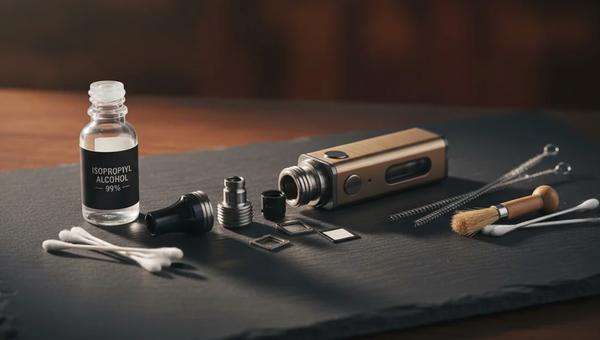 Guides
How to Clean and Maintain Your Dry Herb Vaporizer
Step-by-step guide to cleaning your dry herb vaporizer. Covers quick cleans, deep cleans, and what supplies you need for proper vape maintenance.
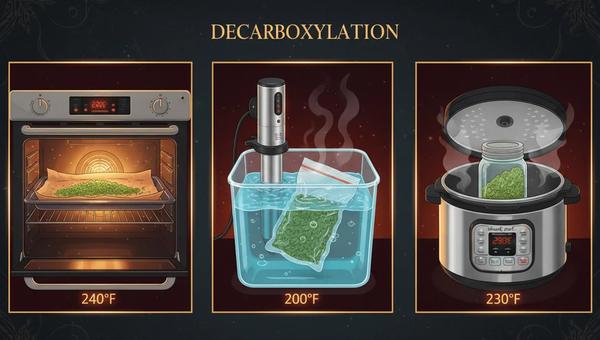 Guides
Cannabis Decarb Methods: Oven vs Sous Vide vs Instant Pot
Compare three decarboxylation methods for cannabis: oven, sous vide, and Instant Pot. Pros, cons, time, temperature, and common mistakes.