
 DoseCraft
 VapeHeatLab
Cannabis Tolerance Break Guide: When, Why, and How Long
Everything you need to know about cannabis tolerance breaks. How tolerance builds, signs you need a break, how long to take, and tips for getting through it.
by Fordee
How Cannabis Tolerance Builds
When you use cannabis regularly, your body adapts. Specifically, the CB1 receptors in your endocannabinoid system start to downregulate, which is a fancy way of saying they become less responsive to THC. Your brain essentially dulls its sensitivity to protect itself from overstimulation.
The result is that over time, you need more cannabis to achieve the same effects you used to get from less. Your once-reliable 10 mg edible barely makes a dent. Your evening bowl that used to melt you into the couch now just takes the edge off. This is tolerance, and it happens to virtually everyone who uses cannabis regularly.
The good news is that unlike tolerance to many other substances, cannabis tolerance is almost entirely reversible. Your CB1 receptors bounce back remarkably fast once you stop consuming THC. That is what a tolerance break, or T-break, is all about.
Signs You Need a Tolerance Break
Not sure if you need one? Here are the clearest indicators:
- You are using significantly more cannabis than you used to for the same effect
- Your sessions feel flat or underwhelming, even with quality flower
- You have increased your dose multiple times in the past few months
- You feel like you need cannabis to relax, sleep, or enjoy activities
- The first hit of the day barely registers anymore
- You are spending noticeably more money on cannabis than before
If three or more of these resonate with you, a tolerance break would likely be beneficial. It does not mean you have a problem. It just means your body has adapted and could use a reset.
How Long Should a Tolerance Break Be?
The science here is actually pretty clear. Research, including work from Dr. Bonni Goldstein and studies published in peer-reviewed journals, shows that CB1 receptor availability starts to recover after just 48 hours of abstinence.
The Minimum: 2 Days
A 48-hour break is the absolute minimum to see any measurable change in receptor availability. You will notice some improvement, but it will not be dramatic. Think of it as a quick reset rather than a full reboot.
The Sweet Spot: 2 to 4 Weeks
Most research and anecdotal reports agree that 2 to 4 weeks is the ideal duration for a tolerance break. Brain imaging studies have shown that after about 4 weeks of abstinence, CB1 receptor density returns to levels comparable to people who have never used cannabis.
Extended: 4+ Weeks
Going beyond 4 weeks provides diminishing returns in terms of receptor recovery, as most of the reset happens in the first month. However, some people find value in longer breaks for personal or lifestyle reasons.
The most commonly recommended duration is 21 days. This gives your receptors enough time for a near-complete reset while being a manageable timeframe for most people.
What to Expect During a T-Break
Let me be honest: the first few days can be uncomfortable, especially if you have been using cannabis daily. Here is what you might experience:
Days 1-3
- Difficulty falling asleep or staying asleep
- Irritability or mood swings
- Decreased appetite
- Vivid dreams (this one catches people off guard)
- Restlessness or boredom
Days 4-7
Most of the acute discomfort fades by the end of the first week. Sleep starts to normalize, appetite returns, and the cravings become less frequent. The vivid dreams may continue for a while longer.
Week 2 and Beyond
By week two, most people feel stable and often report increased mental clarity, more energy, and a renewed appreciation for activities they had been doing while high. The psychological cravings may pop up occasionally, especially in situations where you would normally use cannabis.
Tips for Getting Through a Tolerance Break
A few strategies that make the process much more manageable:
Stay Active
Exercise is the single best tool for getting through a T-break. It naturally boosts endocannabinoids (your body makes its own), improves sleep, and manages the irritability. Even a 30-minute walk helps.
Consider CBD
CBD does not activate CB1 receptors the same way THC does, so using CBD products during your break will not undermine the tolerance reset. It can help with sleep and anxiety during the adjustment period.
Hydrate and Eat Well
Drink more water than you think you need and eat regular, balanced meals. Your appetite might be off for a few days, but maintaining nutrition helps your body and mind recover faster.
Stay Busy
Boredom is the biggest trigger for cravings. Fill your schedule with activities, pick up a project, deep clean your apartment, learn something new. Idle time is when the urge to use hits hardest.
Journal It
Write down how you feel each day. It helps you track your progress, notice improvements, and gives you something to look back on when you are debating whether to take your next break.
Track your tolerance breaks and usage patterns with DoseCraft. The journaling and tracking features are designed specifically to help with situations like this.
Coming Back After a T-Break
This is the part everyone looks forward to. After a tolerance break, your first session will feel dramatically different. Here is how to handle the return:
- Start at a much lower dose than you were using before the break
- Use half or even a quarter of your pre-break amount
- Expect the effects to be significantly stronger than you remember
- Go slow, especially with edibles
Many people find that after a T-break, they settle into a lower usage pattern naturally. The sensitivity reset means you need less to achieve the effects you want, which saves you money and keeps your tolerance lower for longer.
A T-break is not a punishment. It is a tool. Think of it as sharpening the blade so it works better when you use it.
Frequently Asked Questions
How long should a cannabis tolerance break be?
What happens during a tolerance break?
Can you use CBD during a tolerance break?
How do you know you need a tolerance break?
References
- D'Souza DC et al. (2016). Reversibility of CB1 Receptor Availability After Abstinence. JAMA Psychiatry
- Healthline Editorial Team (2024). Cannabis Tolerance and Dependence. Healthline
- Goldstein B (2017). Cannabis Revealed. Book

Related Posts
 Guides
Microdosing Cannabis: How to Find Your Minimum Effective Dose
Learn how to microdose cannabis effectively. What it means, who it benefits, how to start, which methods work best, and how to find your minimum effective dose.
 Guides
Understanding Cannabis Terpenes: What They Do and Why They Matter
A deep dive into the 8 most important cannabis terpenes. What they are, what they do, their boiling points for vaping, and how the entourage effect works.
 Guides
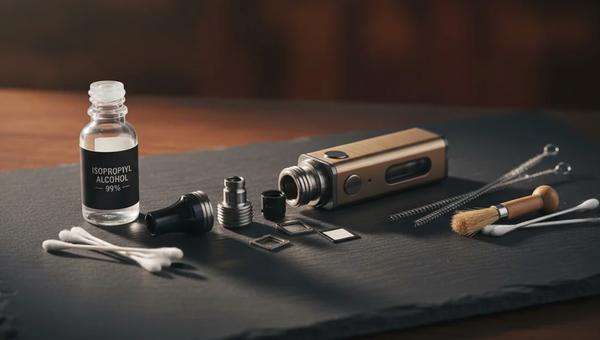
How to Clean and Maintain Your Dry Herb Vaporizer
Step-by-step guide to cleaning your dry herb vaporizer. Covers quick cleans, deep cleans, and what supplies you need for proper vape maintenance.
 Guides
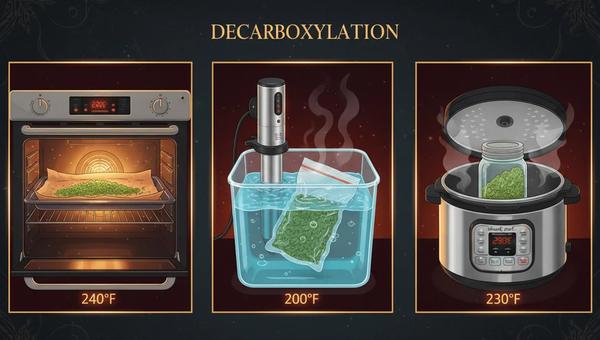
Cannabis Decarb Methods: Oven vs Sous Vide vs Instant Pot
Compare three decarboxylation methods for cannabis: oven, sous vide, and Instant Pot. Pros, cons, time, temperature, and common mistakes.